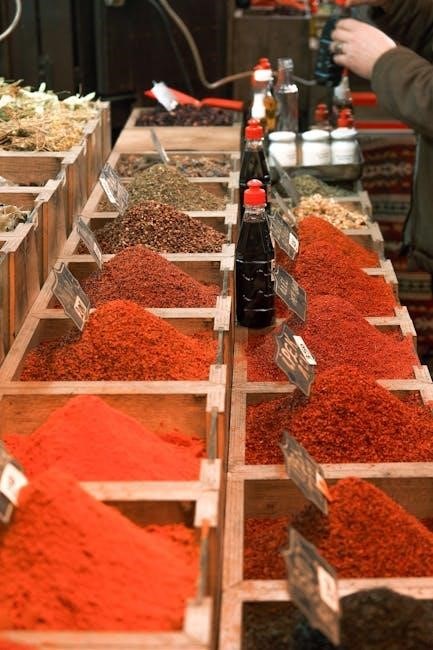
Spice Rack Plans PDF: An Overview
Spice rack plans in PDF format are increasingly popular for DIY enthusiasts. These downloadable guides offer detailed instructions,
diagrams, and material lists for constructing various spice storage solutions. The initial SPICE simulator dates back to the early 1970s at UC Berkeley.
Understanding the Demand for Spice Rack Plans
Demand for spice rack plans stems from a desire for kitchen organization and customization. Many seek to maximize space, particularly in smaller kitchens, and PDF plans offer affordable, accessible solutions. The original SPICE (Simulation Program with Integrated Circuit Emphasis) was developed at UC Berkeley in the 1970s, evolving through versions like SPICE3 in 1985.
Consumers appreciate the ability to build racks tailored to their specific spice collections and aesthetic preferences, driving the popularity of these downloadable resources.
Types of Spice Rack Plans Available
Spice rack plans in PDF format encompass diverse designs: wall-mounted, cabinet door, countertop, and pull-down options. SPICE simulation originated with FORTRAN, later evolving.
Wall-Mounted Spice Rack Plans
Wall-mounted spice rack plans, frequently available as PDFs, maximize kitchen space by utilizing vertical surfaces. These plans often feature tiered shelving or rail systems with hanging jars. Construction typically involves wood, though alternative materials are possible. Detailed diagrams within the PDF guide precise cutting and assembly. SPICE3 was developed in 1985, building upon earlier iterations. Consider weight capacity and secure mounting when selecting a plan, ensuring it can safely hold your spice collection. Many plans cater to varying skill levels, from beginner-friendly to more complex designs.
Cabinet Door Spice Rack Plans
Cabinet door spice rack plans, often found as downloadable PDFs, offer a concealed storage solution. These plans typically involve attaching narrow shelves to the inside of cabinet doors, maximizing unused space. PDF guides provide measurements and installation instructions for a secure fit. SPICE, initially FORTRAN-based, evolved into a powerful circuit simulation tool. Careful consideration of door swing and spice jar clearance is crucial. These plans are ideal for smaller kitchens or those seeking a streamlined aesthetic, offering easy access to frequently used spices.
Countertop Spice Rack Plans
Countertop spice rack plans, readily available as PDFs, provide portable and accessible spice storage. These plans range from simple tiered designs to more elaborate multi-level organizers. PDF guides detail dimensions, wood choices, and assembly steps for a sturdy build. SPICE3 was developed in 1985, expanding the simulator’s capabilities. Consider countertop space and desired capacity when selecting a plan. These racks are perfect for cooks who frequently adjust seasonings during meal preparation, keeping essentials within easy reach.
Pull-Down Spice Rack Plans
Pull-down spice rack plans, often found in PDF format, maximize cabinet space and accessibility. These plans detail mechanisms for smoothly lowering a spice collection from upper cabinets. PDF guides include diagrams for mounting hardware and ensuring safe operation. SPICE, initially FORTRAN-based, evolved into a powerful circuit simulation tool. Careful consideration of weight capacity and cabinet dimensions is crucial. These racks are ideal for smaller kitchens or those seeking to declutter countertops, offering convenient spice access.
Finding Spice Rack Plans in PDF Format
Locating spice rack plans in PDF format is easy online. Numerous websites offer free and paid options, catering to diverse skill levels and design preferences.
Online Resources for Free PDF Plans
Numerous websites provide free spice rack plans in PDF format, ideal for budget-conscious builders. These resources often feature basic designs suitable for beginners, including wall-mounted and countertop options. However, quality can vary significantly. Websites dedicated to woodworking and DIY projects frequently host user-submitted plans.
Be cautious when downloading from unfamiliar sources; always scan files for viruses. Remember that free plans may lack detailed instructions or advanced features. The SPICE simulator, originating from UC Berkeley, has evolved significantly since its FORTRAN beginnings in the 1980s.
Paid Spice Rack Plan PDFs: What to Expect
Purchasing spice rack plans in PDF format generally yields higher-quality, more detailed designs. Expect comprehensive instructions, precise measurements, and often, multiple variations within a single plan. Paid plans frequently include cut lists, material sourcing suggestions, and 3D renderings for clarity.
These resources often cater to various skill levels, from beginner to advanced. SPICE3, a later iteration, was developed in 1985, showcasing the simulator’s continuous refinement. Paid plans offer a greater investment in a successful build.
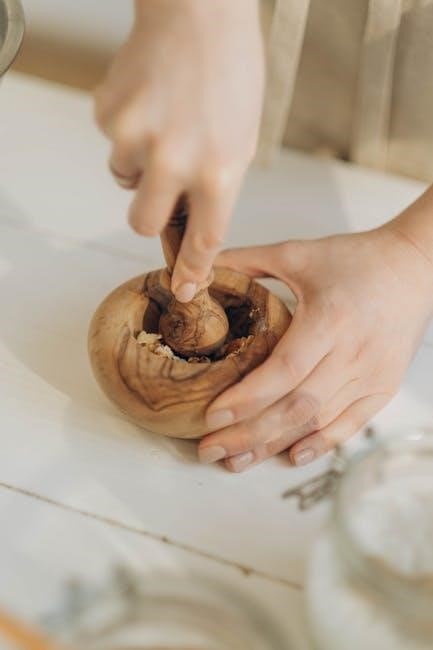
Essential Considerations Before Building
Before starting, assess your skill level, select appropriate wood (or alternatives), and gather necessary tools. Accurate cuts and assembly are crucial for a functional rack.
Material Selection: Wood Types and Alternatives
Choosing the right material is vital for a durable and aesthetically pleasing spice rack. Popular wood choices include pine, oak, and maple, each offering varying degrees of hardness and cost. Pine is affordable and easy to work with, while oak provides superior strength.
Consider plywood as a cost-effective alternative, ensuring it’s furniture-grade for better finish quality. Beyond wood, explore materials like metal or acrylic for a modern look, but these may require specialized tools and skills. Remember to factor in wood finishing options like staining or painting to complement your kitchen décor.
Tools Required for Construction
Successfully building a spice rack from PDF plans demands specific tools. Essential items include a saw (hand saw, circular saw, or jigsaw), drill with various bits, screwdriver, measuring tape, and sandpaper. A wood clamp is crucial for secure assembly. For precise cuts, a miter saw is recommended. Safety gear – goggles and a dust mask – are non-negotiable. Depending on the plan’s complexity, you might also need a wood file, level, and potentially a router for decorative edges.
Skill Level Assessment: Beginner, Intermediate, Advanced
Spice rack plans cater to diverse skill levels. Beginner plans involve simple construction, minimal cuts, and basic assembly – ideal for novices. Intermediate plans introduce more complex joinery, potentially requiring a miter saw. Advanced plans feature intricate designs, drawers, or specialized features, demanding proficient woodworking skills. Assessing your experience honestly before selecting a plan ensures a rewarding build, avoiding frustration and ensuring a structurally sound final product.
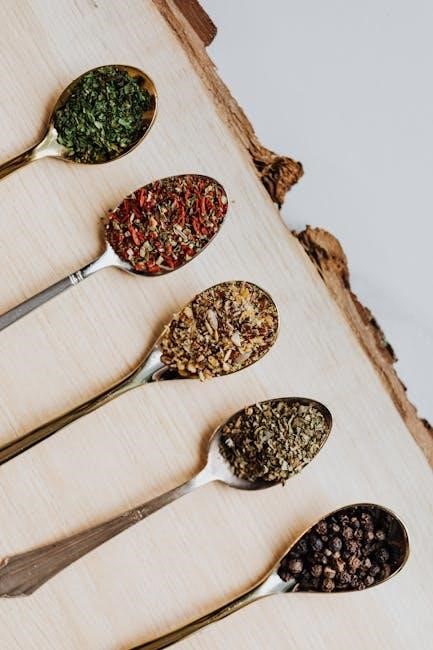
Analyzing Spice Rack Plan PDFs
Carefully review PDF plans for clarity, accurate diagrams, and a complete bill of materials (BOM). Ensure all dimensions are legible and the instructions are understandable.
Reading and Interpreting Diagrams
Deciphering spice rack plan diagrams requires attention to detail. Understand the perspective – is it an exploded view, or a standard orthographic projection? Pay close attention to line weights, indicating visible versus hidden edges.
Symbols represent materials and joinery techniques; familiarize yourself with common woodworking notations. Scale is crucial; verify dimensions against the provided BOM.
SPICE simulation, originating in 1973, relies on similar netlist interpretations, though for circuits, not carpentry. Accurate diagram reading is fundamental to successful construction.
Understanding Bill of Materials (BOM)
A Bill of Materials (BOM) in a spice rack plan PDF is a comprehensive list of all required components. It details wood types, quantities, dimensions, and hardware like screws or dowels. Carefully review the BOM before purchasing materials to avoid shortages or errors.
SPICE models, like BOMs, require precise component specifications.
Understanding units (inches vs. millimeters) is vital. A complete BOM ensures a smooth and accurate build process, mirroring the precision needed for SPICE simulations.
Checking for Accuracy and Completeness
Before starting, meticulously check your spice rack plan PDF for accuracy. Verify dimensions on diagrams match the Bill of Materials (BOM). Ensure all pages are present and legible. Look for clear, step-by-step instructions.
Like validating SPICE models, scrutinize for errors. Incomplete plans lead to frustration; accurate plans ensure a successful build. A thorough review prevents costly mistakes and wasted materials, mirroring the need for error-free circuit analysis.
Customizing Spice Rack Plans
Spice rack plans can be tailored to your needs! Adjust dimensions, add shelves or drawers, and incorporate labels for easy spice identification – personalize your design.
Adjusting Dimensions to Fit Your Space
Adapting spice rack plans to your kitchen’s unique layout is crucial. Carefully measure the available space – height, width, and depth – before commencing construction.
PDF plans often provide base dimensions, but these can be scaled up or down. Consider the size of your spice containers when determining shelf heights and depths.
Don’t hesitate to modify the plan’s overall footprint to seamlessly integrate the rack into your cabinetry or countertop. Accurate measurements ensure a perfect fit!
Adding Features: Shelves, Drawers, Labels
Enhance your spice rack beyond basic plans! Incorporate adjustable shelves to accommodate varying container sizes. Small drawers can conceal frequently used spices or utensils.
Consider adding tiered shelving for better visibility. Don’t forget labels – clearly marked spices save time and reduce waste.
PDF plans can be a starting point; personalize with these additions. Remember, thoughtful features maximize functionality and aesthetic appeal within your kitchen space.
SPICE Simulation and Circuit Modeling Relevance
While seemingly unrelated, SPICE (Simulation Program with Integrated Circuit Emphasis) models electronic components found in automated spice racks, aiding design and analysis.
SPICE, originating at UC Berkeley in the early 1970s, is a powerful circuit simulation program. Initially written in FORTRAN, it evolved into SPICE3 in 1985. Its core function is to analyze electronic circuits, predicting their behavior based on component models. Though primarily for integrated circuits, SPICE modeling extends to components potentially used in automated spice racks – sensors, motors, or lighting controls – allowing for virtual prototyping and optimization before physical construction. This ensures reliable performance and efficient design.
Using SPICE Models for Component Analysis (briefly relating to electronic components sometimes used in automated racks)
For automated spice racks, SPICE models analyze components like sensors or microcontrollers. Multisim often lacks pre-built models, necessitating manual import of third-party SPICE files (often .cir or .lib). Accurate modeling is crucial for simulating functionality – a motor’s torque, a sensor’s response. Proper import, addressing errors, and verifying model accuracy are vital for reliable simulation results, ensuring the automated rack operates as intended before building.
Advanced Spice Rack Designs
Innovative plans incorporate features like integrated lighting for visibility or rotating mechanisms for easy access. These designs elevate functionality and aesthetics beyond basic storage.
Spice Racks with Integrated Lighting
Spice racks featuring integrated lighting represent a sophisticated upgrade to traditional storage. Plans often detail embedding LED strips or small spotlights within the rack’s structure. This illuminates spices, simplifying identification and adding a touch of elegance to the kitchen.
Considerations include wiring, power sources, and heat dissipation. Some advanced designs even incorporate motion sensors for automatic activation, enhancing convenience and energy efficiency. Careful planning ensures a safe and visually appealing result, transforming a functional item into a statement piece.
Rotating Spice Rack Plans
Rotating spice rack plans offer maximized accessibility within a compact footprint. PDF guides typically showcase designs utilizing a lazy Susan bearing for smooth 360-degree rotation. These plans detail construction of tiered shelves, ensuring all spices are easily visible and reachable. Material selection is crucial for smooth operation and durability. Advanced plans may include braking mechanisms or adjustable shelf heights. Careful execution ensures a functional and space-saving solution for organized spice storage, enhancing kitchen efficiency;
Troubleshooting Common Building Issues
Common issues when building from spice rack plans PDF include wood splitting and inaccurate cuts. Precise assembly and careful material selection are key to success.
Dealing with Wood Splitting
Wood splitting during spice rack plan PDF construction often occurs when screwing or nailing near edges. Predrilling pilot holes, slightly smaller than the screw diameter, is crucial. This relieves stress and prevents the wood fibers from separating. Using sharp drill bits and screws also minimizes splitting.
Consider wood glue in conjunction with fasteners for added strength and to bind fibers. Selecting appropriate wood types, avoiding overly dry or brittle lumber, further reduces the risk of splitting during assembly.
Ensuring Accurate Cuts and Assembly
Accurate cuts are paramount when following spice rack plans PDF. Utilize a sharp saw and precise measuring tools. Double-check all dimensions before cutting, and employ clamping devices to secure wood during sawing. Dry-fit components before applying glue or fasteners to verify alignment.
Squareness is vital; use a speed square frequently. Careful assembly, following the plan’s sequence, guarantees a sturdy and aesthetically pleasing final product.
Resources for SPICE Model Import (related to electronic components)
SPICE model import, though seemingly unrelated, applies to automated racks. Resources include manufacturer websites and online forums for component libraries and troubleshooting.
Importing Third-Party SPICE Models
Importing external SPICE models, while primarily for electronic simulations, mirrors the need for precise component data in automated spice rack systems. Often, standard component libraries lack specific models. Converting .lib files to .cir formats can present errors, requiring careful troubleshooting. Resources like chip manufacturer websites (e.g., Texas Instruments) provide downloadable models. Successfully importing these models ensures accurate circuit behavior within simulation software, a parallel to ensuring accurate rack dimensions in plans.
Addressing Errors During Model Import
Troubleshooting import errors in SPICE models, akin to correcting inaccuracies in spice rack plans, demands meticulous attention. Common issues include syntax errors within the model file or incompatible model parameters. Carefully reviewing error messages and consulting documentation is crucial. Converting file formats (like .lib to .cir) often triggers problems needing specific solutions. Just as a flawed plan leads to construction issues, a faulty model yields inaccurate simulations.
Career Paths Related to SPICE and Power Devices
SPICE model engineering and SiC power device R&D offer promising career trajectories, though doctoral degrees are often preferred for advancement in these fields.
SiC Power Device R&D vs. SPICE Model Engineering
While seemingly disparate, both SiC power device research and SPICE model engineering are crucial in modern electronics; Device R&D focuses on innovating materials and structures for improved performance, while SPICE modeling creates accurate simulations.
A master’s degree in microelectronics provides a foundation, but a doctorate enhances prospects.
SPICE, originating at UC Berkeley in the 1970s, remains vital for circuit analysis.
Opportunities exist in Fab PDK roles, though stability and upward mobility can vary.
Opportunities in Fab PDK Roles
Fab Process Design Kit (PDK) roles bridge device manufacturing and circuit design, requiring expertise in both. These positions involve developing and validating models—akin to detailed spice rack plans—for fabrication processes. A recent graduate with a microelectronics background might secure a position, though a doctorate is often preferred.
Initial salaries can be competitive, but long-term stability and career progression may be concerns, mirroring the evolving landscape of downloadable plans.
Legal and Regulatory Considerations
Online distribution of spice rack plans may require Internet Information Service licenses. Intellectual property rights concerning plan designs must be respected, similar to SPICE model licensing.
Internet Information Service Licenses (related to online plan distribution)
Distributing spice rack plans online, particularly commercially, often necessitates obtaining appropriate Internet Information Service (IIS) licenses. These regulations, similar to those governing SPICE model distribution, vary by jurisdiction. Compliance ensures legal operation and avoids penalties. China’s regulations, for example, require specific ICP licenses (like ICP110745) for online content provision. Failure to secure these licenses can result in website shutdowns or fines, mirroring potential issues with unauthorized SPICE model sharing. Understanding and adhering to these legal frameworks is crucial for plan creators and distributors.
Intellectual Property Rights of Plans
Spice rack plan creators hold intellectual property rights, including copyright, over their designs. Unauthorized reproduction or distribution of these PDF plans infringes upon these rights. Similar to SPICE models, reverse engineering or modifying plans without permission is also prohibited. Protecting these rights is vital for designers to recoup investment and incentivize further innovation. Clearly defined terms of use and licensing agreements are essential when offering plans online, mirroring the protection afforded to proprietary SPICE model libraries.

Future Trends in Spice Rack Design
Smart spice racks integrating inventory management systems and utilizing sustainable materials are emerging trends. These designs echo advancements in electronic component modeling, like SPICE.
Smart Spice Racks with Inventory Management
The future envisions spice racks equipped with sensors and connected to mobile applications. These “smart” systems will automatically track spice levels, alerting users when refills are needed. This concept parallels the precision of SPICE simulation, initially developed at UC Berkeley in the 1970s, used for circuit analysis. Such racks could even suggest recipes based on available ingredients, integrating seamlessly into modern kitchens. The evolution from FORTRAN-based SPICE to modern tools demonstrates a similar drive for enhanced functionality and user experience, mirroring the desire for intelligent home organization.
Sustainable and Eco-Friendly Materials
A growing trend in spice rack construction focuses on environmentally responsible materials. Plans increasingly feature bamboo, reclaimed wood, and recycled plastics. This aligns with broader sustainability efforts, much like the continuous refinement of SPICE simulation – originating at UC Berkeley – to optimize resource usage. Designers are exploring non-toxic finishes and minimizing waste, creating functional and eco-conscious kitchen storage. Choosing sustainable options reduces environmental impact and promotes responsible consumption, reflecting a shift towards greener DIY projects.