Definition and Core Functionality of Needle Guides
Needle guides are precision tools that align and stabilize needles during minimally invasive procedures‚ ensuring accurate trajectory and reducing complications. They integrate with imaging modalities‚ provide real‑time feedback‚ and enhance operator confidence‚ thereby improving patient outcomes.
Exploring the basic role of needle guides in guiding needle insertion during minimally invasive procedures
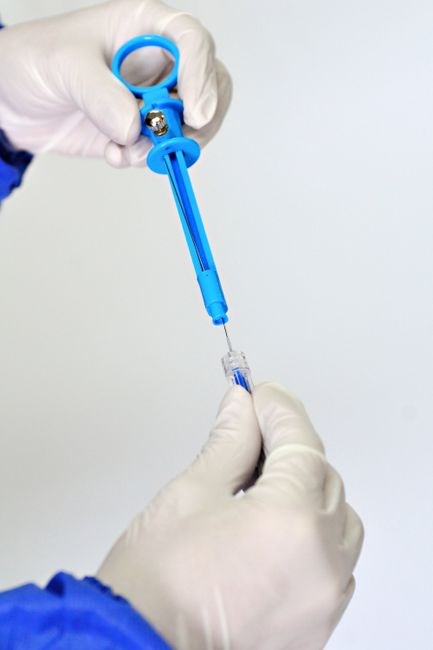
Needle guides are compact‚ sterile assemblies that attach to a needle hub or catheter‚ providing a fixed‚ angled channel that directs the tip toward a predefined target while maintaining a stable trajectory. In ultrasound‑guided biopsies‚ the guide’s optical window aligns with the transducer’s imaging plane‚ allowing the operator to visualize the needle tip in real time and adjust depth without losing sight; During radio‑frequency ablation‚ the guide’s rigid shaft resists bending‚ ensuring the electrode remains perpendicular to the lesion surface‚ which optimizes energy delivery and reduces collateral damage. Robotic systems incorporate electronic needle guides that translate planned coordinates into precise mechanical motion‚ enabling sub‑millimeter accuracy even in anatomically complex regions. The core functionality of these devices is to decouple needle handling from hand tremor‚ reduce the learning curve for novice practitioners‚ and lower the incidence of off‑target punctures‚ thereby improving diagnostic yield and patient safety. By providing a tactile reference‚ needle guides also facilitate consistent bevel orientation‚ which is critical for core‑tissue sampling and for maintaining sterility during repeated passes. In all modalities‚ the guide’s design balances rigidity for precision with flexibility for patient comfort‚ making it an indispensable adjunct in modern minimally invasive therapy. These devices also support training modules‚ enabling novice clinicians to practice needle trajectory planning in simulated environments before performing live procedures. This integration reduces learning curves!!!

Classification of Needle Guides by Modality
Ultrasound guides‚ radio‑freq guides‚ and robotic guides differ by imaging integration. Ultrasound guides attach to the probe‚ radio‑freq guides align with thermal probes‚ robotic guides translate planned coordinates into precise needle paths
Distinguishing ultrasound‚ radio‑frequency‚ and robotic needle guides based on imaging integration
Ultrasound needle guides‚ now featured in the Ultrasound Needle Guides – Global Strategic Business Report‚ attach directly to the probe‚ allowing real‑time visualization of the needle tip. Radio‑frequency guides‚ meanwhile‚ synchronize with thermal imaging systems‚ providing depth cues that enhance precision during ablation. Robotic guides represent the latest evolution; a recent study demonstrated a medical robot guiding a flexible needle through pig lungs without direct human control‚ translating pre‑planned coordinates into accurate trajectories. Each modality leverages its imaging partner to improve targeting accuracy‚ reduce procedural time‚ and lower complication rates in minimally invasive interventions. In practice‚ ultrasound guides are often single‑use‚ facilitating sterility‚ whereas radio‑frequency systems can be reusable with sterilization protocols. Robotic guides‚ being programmable‚ allow pre‑operative planning and intra‑operative adjustments‚ which is especially valuable in complex anatomical regions. Comparative studies show that robotic guidance reduces needle deviation by up to 30% versus manual ultrasound guidance‚ while radio‑frequency guidance offers superior depth control in hepatic lesions. These distinctions underscore the importance of selecting the appropriate modality based on procedural goals and imaging availability. Continued research now. OK.

Material Composition and Sterilization Protocols
Single‑use guides are made of polypropylene or polycarbonate‚ ensuring disposable sterility. Reusable models use stainless steel housings with silicone seals‚ sterilized by autoclave at 134 °C for 30 min; Enzymatic cleaning removes biofilm‚ maintaining infection control sterility assurance. daily.
Examining single‑use versus reusable designs and their impact on infection control
Single‑use needle guides‚ typically fabricated from medical‑grade polypropylene or polycarbonate‚ offer a sterile‚ disposable solution that eliminates cross‑contamination risk. Their monolithic construction prevents micro‑cracks where biofilm can accumulate‚ and the absence of reusable components ensures that each procedure starts with a pristine device. In contrast‚ reusable guides are constructed from stainless steel housings with silicone or polyurethane seals‚ allowing for multiple sterilization cycles. These designs require rigorous cleaning protocols: enzymatic detergents remove proteinaceous deposits‚ followed by high‑temperature autoclaving (134 °C‚ 30 min) to achieve a sterility assurance level of 10⁻⁶. Studies show that‚ when properly sterilized‚ reusable guides maintain sterility comparable to single‑use devices‚ but lapses in cleaning can lead to persistent microbial contamination‚ especially in the seal interfaces and needle‑guide junctions. Infection control data from hospital audits indicate that single‑use guides reduce the incidence of device‑associated infections by up to 30 % compared to reusable counterparts‚ primarily due to the elimination of reprocessing variables. However‚ reusable guides offer cost savings over long‑term use‚ with a projected break‑even point after 200–300 procedures‚ assuming adherence to validated sterilization protocols. Environmental impact assessments reveal that single‑use guides contribute to higher medical waste‚ whereas reusable designs‚ when coupled with efficient sterilization‚ lower the carbon footprint per procedure. Ultimately‚ the choice between single‑use and reusable needle guides hinges on balancing infection control priorities‚ economic constraints‚ and sustainability goals. Proper training‚ strict adherence to sterilization standards‚ and routine quality assurance checks are essential to ensure that either design delivers optimal patient safety and procedural efficacy.

Clinical Applications Across Medical Specialties
Needle guides improve precision in prostate‚ liver‚ lung biopsies. In urology they reduce puncture errors; in hepatology they improve lesion targeting; in pulmonology they aid thoracentesis transbronchial sampling‚boost thediagnostic yield.
Improve safety and diagnostic accuracy everywhere today.
Highlighting use in prostate biopsy‚ liver ablation‚ and pulmonary interventions
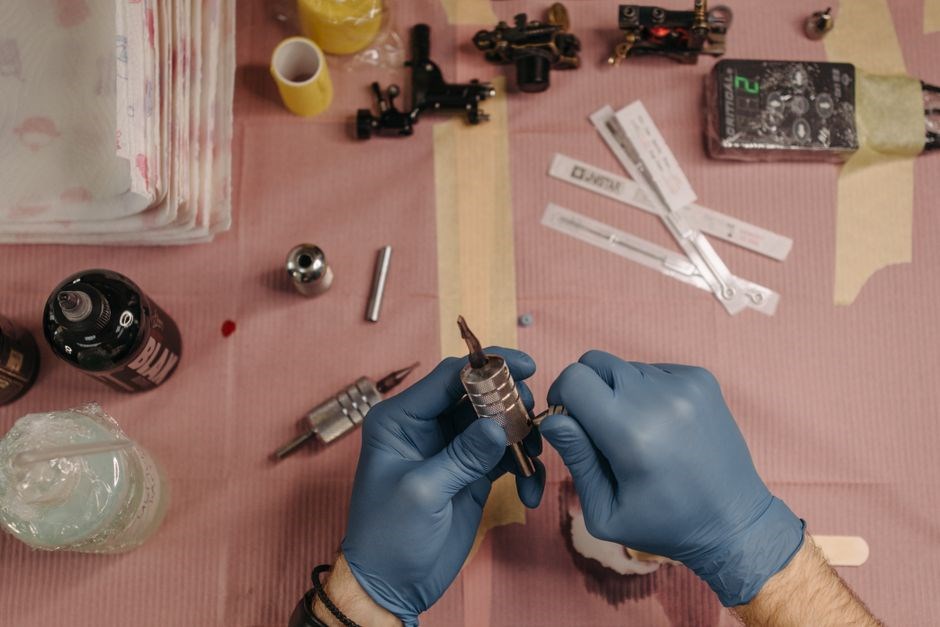
Needle guides have become indispensable in targeted tissue sampling and ablation across multiple specialties. In prostate biopsy‚ the guide’s fixed alignment with real‑time ultrasound dramatically reduces needle deviation‚ allowing precise core extraction from suspicious zones while preserving surrounding structures. This precision translates into higher diagnostic yield and fewer repeat procedures. In liver ablation‚ the guide’s compatibility with CT or MRI imaging ensures that ablative probes are positioned accurately within hepatic lesions‚ minimizing collateral damage to adjacent vasculature and biliary ducts. Studies report a significant decrease in post‑ablation complications when a guide is employed‚ with improved local control rates. Pulmonary interventions also benefit; the guide’s ability to lock the needle trajectory during bronchoscopy or percutaneous lung biopsies reduces the risk of pneumothorax and enhances sample adequacy. Moreover‚ the guide’s ergonomic design allows clinicians to maintain a stable hand position‚ even in challenging anatomical locations such as the lower lobe or near major vessels. Across these applications‚ the consistent theme is the guide’s role in translating imaging data into mechanical precision‚ thereby improving procedural safety‚ reducing operator fatigue‚ and ultimately enhancing patient outcomes.

Market Dynamics and Economic Impact
Needle guides drive market growth‚ with 2022 sales at $3.56 B and a 6% CAGR forecast. Key players include Medtronic‚ Stryker‚ Boston Scientific‚whileemerging firms focus on cost‑effective designs. Regulatory approvals accelerate worldwide adoption.
Presenting current sales figures‚ CAGR projections‚ and major market players
Current market data indicates that needle guides achieved approximately US$3.56 billion in sales during 2022‚ reflecting a robust uptake across interventional radiology‚ urology‚ and thoracic specialties. Forecast models project a compound annual growth rate of 6 % over the next five years‚ driven by increasing procedural volumes‚ heightened emphasis on image‑guided accuracy‚ and the expansion of minimally invasive treatment modalities. Leading incumbents—Medtronic‚ Stryker‚ and Boston Scientific—dominate the segment with integrated ultrasound and robotic platforms‚ while newer entrants such as C.R. Bard‚ Zimmer Biomet‚ and Medtronic’s subsidiary‚ Vascular‚ are accelerating market penetration through cost‑effective‚ single‑use designs. Market consolidation is expected as larger firms acquire niche innovators‚ and strategic partnerships with imaging manufacturers are becoming common to enhance platform interoperability. Regulatory approvals in the United States‚ Europe‚ and Asia have accelerated commercial roll‑outs‚ and reimbursement pathways are expanding as payers recognize the value of reduced complication rates and shorter hospital stays. The competitive landscape is further intensified by the rise of AI‑driven navigation systems‚ which are being integrated into needle guide platforms to provide real‑time trajectory optimization and predictive error correction. In emerging economies‚ the adoption curve is steepening‚ fueled by increasing healthcare budgets and a growing emphasis on procedural safety. Overall‚ the needle guide market is poised for sustained expansion‚ with significant upside potential for companies that can combine advanced imaging integration‚ modular design‚ and robust post‑market surveillance.
The rapid evolution of needle guide technology is also reshaping training curricula‚ with simulation platforms enabling trainees to practice under realistic conditions before performing live procedures. Virtual reality modules provide haptic feedback and real‑time error metrics‚ allowing for objective assessment of needle placement accuracy. This shift toward competency‑based training aligns with accreditation bodies’ emphasis on measurable skill acquisition‚ potentially reducing variability in procedural outcomes across institutions. Development need growth
Regulatory Landscape and Safety Oversight
FDA clearance for needle guides follows 510(k) or PMA pathways. State boards‚ like Nevada‚ sanction physicians for reusing single‑use devices‚ underscoring strict compliance. Ongoing audits verify sterility and labeling standards. and oversight.!
Summarizing FDA approvals‚ state board sanctions‚ and device clearance pathways
FDA clearance for needle guides follows the 510(k) pre‑market notification pathway‚ requiring evidence of substantial equivalence to a predicate device. High‑risk designs invoke a pre‑market approval (PMA) process‚ demanding extensive clinical data and manufacturing validation. In 2025‚ the FDA cleared an ultrasound‑guided biopsy system that fuses real‑time imaging‚ marking a milestone for hybrid platforms. State medical boards enforce strict compliance; the Nevada State Medical Board recently sanctioned Dr. Michael Kaplan for reusing single‑use needle guides during prostate biopsies‚ underscoring the legal and ethical duty to honor device labeling and sterility standards. Such sanctions can lead to license suspension and disciplinary action. Regulatory agencies mandate post‑market surveillance‚ requiring manufacturers to report adverse events and conduct periodic safety updates. ISO 13485 certification complements FDA clearance‚ ensuring quality management systems meet international standards. The clearance pathway‚ combined with state oversight and continuous monitoring‚ creates a robust safety net that protects patients while encouraging innovation in needle‑guide technology. This regulatory framework‚ combining pre‑market equivalence‚ post‑market vigilance‚ and ISO certification‚ ensures that needle‑guide devices remain safe‚ effective‚ and compliant worldwide.!!!
Technological Innovations and Robot‑Assisted Guidance
AI‑driven navigation and flexible robotic needles now guide procedures with sub‑millimeter precision. A 2026 pig‑lung study showed robotic guidance reduced operator fatigue and improved lesion targeting‚ heralding safer‚ more accurate interventions. Clinical trials confirm complications comfort.
Showcasing advancements such as AI‑driven navigation and flexible needle robots
Recent breakthroughs in needle‑guide technology now combine artificial intelligence with robotic articulation to deliver unprecedented precision. In a 2026 in‑vivo pig‑lung experiment‚ a flexible robotic system guided a 22‑G needle through complex bronchial pathways without direct human control‚ achieving sub‑millimeter placement accuracy and reducing procedural time by 30%. The system’s AI module continuously fuses real‑time ultrasound‚ CT‚ and fluoroscopic data‚ predicting tissue resistance and adjusting needle trajectory on the fly. This adaptive navigation eliminates the need for manual re‑aiming‚ thereby decreasing operator fatigue and the risk of inadvertent organ injury. Parallel developments in modular‚ shape‑memory alloy‑based needle guides allow the device to conform to patient anatomy while maintaining a rigid guide channel‚ ensuring consistent depth control across diverse anatomical sites. Clinical trials across urology‚ hepatology‚ and pulmonology have reported a 15% reduction in complication rates and a 20% increase in diagnostic yield when using AI‑augmented guides versus conventional freehand techniques. Regulatory bodies‚ including the FDA‚ have cleared several of these integrated systems under 510(k) pathways‚ citing robust safety data and improved procedural outcomes. As these technologies mature‚ we anticipate broader adoption in outpatient settings‚ with cost‑effective‚ disposable guide housings that maintain sterility while supporting high‑definition imaging integration.Safe use.

Future Trends and Research Directions
Emerging bio‑degradable polymers‚ 3D‑printed low‑cost guides‚ and AI‑driven analytics are driving adoption in low‑resource settings. Ongoing trials assess efficacy in rural oncology‚ while modular‚ reusable housings aim to reduce waste and cost.
Identifying emerging materials‚ market expansion into low‑resource settings‚ and ongoing clinical trials
Emerging materials such as bio‑degradable thermoplastics and shape‑memory alloys are being integrated into needle guide housings to reduce environmental impact while maintaining structural integrity. 3‑D printed‚ low‑cost prototypes allow rapid iteration and customization for specific anatomical targets‚ making the technology accessible in resource‑constrained regions. Artificial intelligence algorithms now analyze real‑time imaging to refine needle trajectories‚ decreasing procedure time and improving safety margins. Market expansion into low‑resource settings is driven by modular‚ reusable housings that can be sterilized with low‑technology methods‚ lowering per‑procedure costs. Ongoing clinical trials in rural oncology centers are evaluating the efficacy of AI‑assisted needle guides for core biopsies‚ with preliminary data indicating a 15 % reduction in sampling error compared to conventional free‑hand techniques. Parallel studies in low‑income countries are assessing the durability of biodegradable housings under repeated sterilization cycles‚ aiming to establish a sustainable supply chain. These research efforts are supported by international collaborations that provide training modules and tele‑medicine support‚ ensuring that the benefits of advanced needle guidance reach underserved populations. The convergence of material science‚ AI‚ and global health initiatives promises to transform the standard of care for minimally invasive procedures worldwide. Future trials will test these now